Spider Pest Control Melbourne
Safer and Greener Pest SolutionsSpiders in the house? We treat them. You should not have to share your home with something you are frightened of.
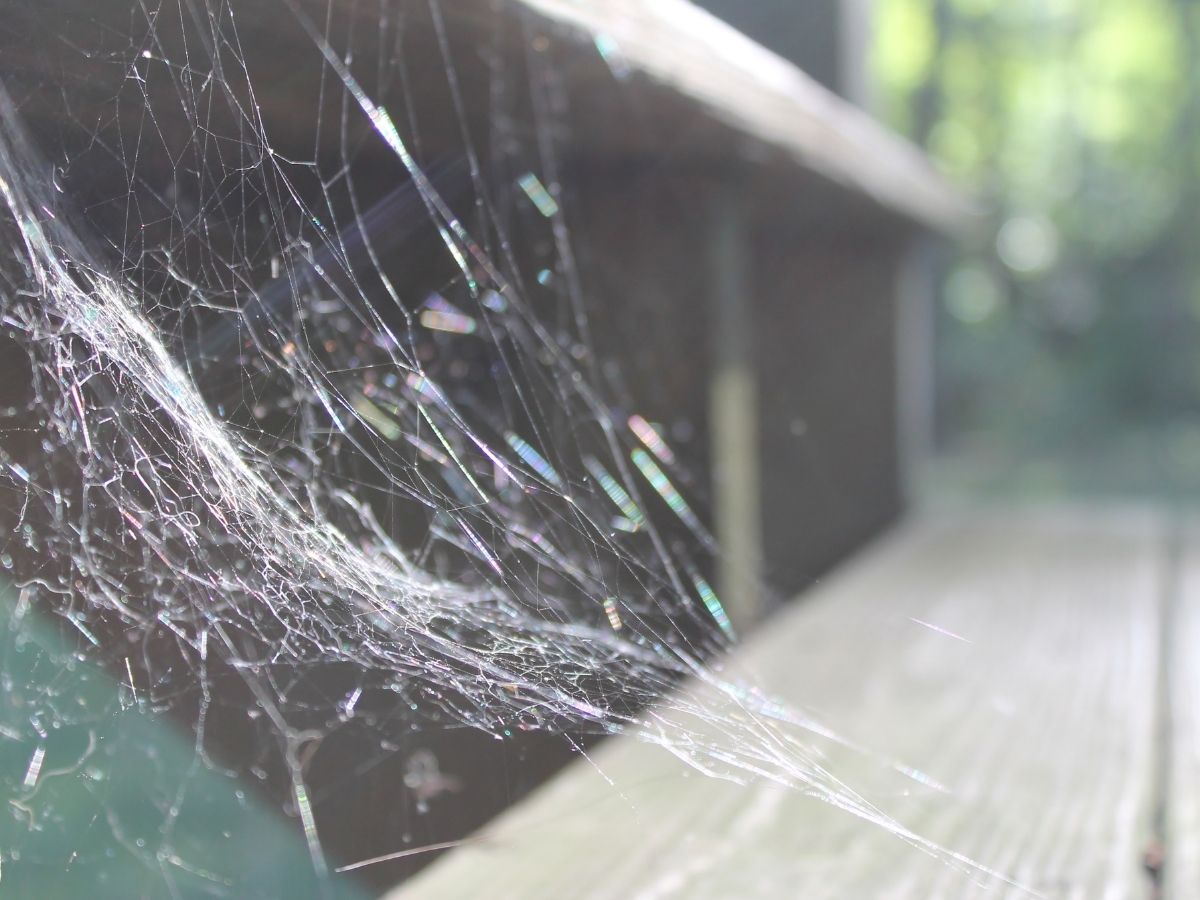
Spiders and Cobwebs Around The Eaves And Windows?
A targeted surface treatment deals with them. We treat the places spiders actually sit and rest, and they pick the treatment up on contact when they walk across it.
Spiders are often the reason people pick up the phone, and our general pest treatment is what kills them, so if you book general pest control, spiders are covered. Our spider pest control treats the spiders you can see as well as the places they hide and rest, so the ones you have not found yet walk across the treatment too.
Most people do not want any spider in the house, and that is a completely fair position. We are not going to talk you out of it.
What follows is just worth knowing so you understand what you are dealing with. You can see our pricing page for what a treatment costs.
Signs You Have a Spider Problem Around the House
Webbing that keeps coming back after you brush it down is often the first thing people notice. Black house spiders leave untidy, lacy webs with a funnel in the middle around window frames and the eaves, and you will often see their white egg sacs tucked into the web.
A messy, tangled web in a dry, sheltered spot, such as under a bench, in a stack of pots or in the shed, is often a redback, especially with round egg sacs hanging in it. Check for the red stripe, because the brown house spider builds a similar web. White tails do not build webs, so with them the sign is seeing them on the walls and floors at night.
If you are seeing any of these, it is worth booking spider pest control heading into the warmer months, when spiders are most active and the webbing builds up quickly.
Spiders Around the Outside of Your Home
A lot of the spiders people find inside the house start outside. The eaves, the gutters, the fences, the pergolas and the gaps around window and door frames give them shelter and a steady supply of insects, which is why those are the places our spider treatment goes.
Plants and trees growing right up against the walls make it easy for spiders to move from the garden onto the house, and health.vic suggests keeping trees and bushes planted away from the house. In the garden itself, wear gloves and shoes, because redbacks and other spiders hide under pots, logs and rocks.
Spiders Inside the House
Inside, spiders look for dark, quiet spots. Daddy long legs build tangled webs in ceiling corners and dark rooms, white tails turn up in wardrobes and in clothes or towels left on the floor, and huntsmans tend to appear from behind curtains.
Huntsmans are also known for getting into cars and hiding behind the sun visor, which is a fright nobody needs while driving. If one keeps turning up in the car, mention it when you book, because the garage is one of the places we treat.
Get a Quick Quote →Spider Pest Control Treatments and Spraying in Melbourne
Which Areas Does a Spider Treatment Cover?
We treat the places spiders actually sit, which means the eaves and gutter lines, the window and door frames, the weep holes, the fence lines, the pergolas, the sheds and the garage.
Inside the house we treat the skirting, the architraves, the wardrobes and the subfloor access where it is needed.
The best way to control spiders is to treat the surfaces they walk across instead of chasing each one with a can. The technician treats around the outside of the building and inside where it is needed.
How Long Does Spider Pest Control Last?
The product is a residual that binds to the surface and keeps working for months, rather than knocking down whatever happens to be in front of us on the day. That is the difference between a professional spider treatment and a can from the hardware shop.
How long it lasts depends on where it is. Outdoor sprays can be affected by the weather, such as rain, while sheltered spots under the eaves and inside the house hold the treatment longer. For spider control, booking a general pest treatment twice a year helps keep your home protected.
When Is the Best Time for Spider Treatments?
We time it for the warmer months when spiders are most active, and we work around pets and children by choosing where the product goes and telling you how long each area needs to stay clear.
After Your Spider Treatment
The old webbing stays until it is knocked down or weathers off, so brush away what you can reach, and the treatment keeps working on any spider that walks across it.
Spider Control Services for Melbourne Businesses
Spiders are part of our commercial pest control services, so shops, offices, warehouses and other Melbourne businesses can book spider control as well. Webbing across a shopfront or an entrance is one of the first things customers notice, and redbacks in a storeroom or warehouse are a risk for anyone moving stock by hand.
Tell us what kind of premises you have and where the spiders are, and we will explain which of our pest control services suits it and how the treatment fits around your business.
Get a Quick Quote →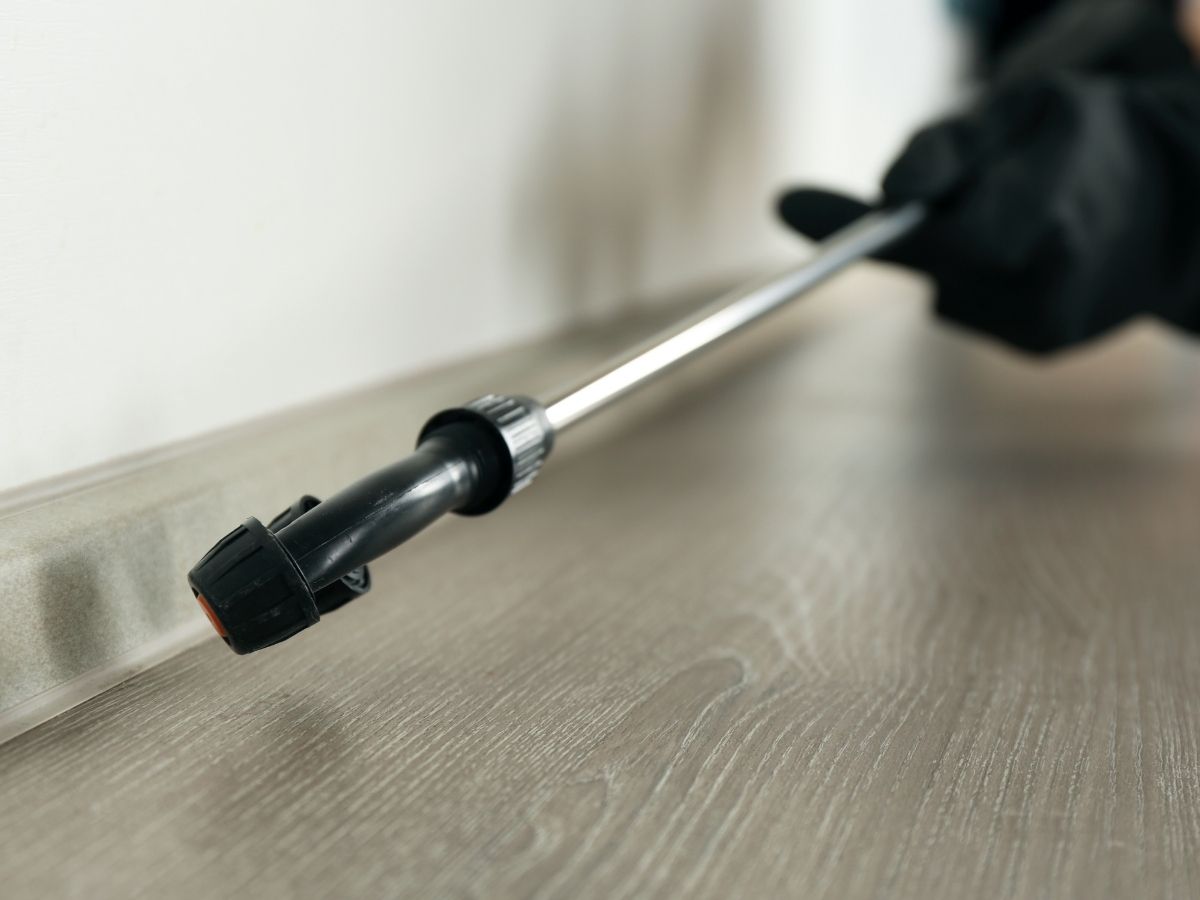
Redback Spider Control in the Shed
If you have found redbacks in the shed, it is worth having them treated. Redbacks are a close relation of the black widow and among the most dangerous spiders in Australia.
A bite causes severe pain, sweating and nausea, it can need antivenom, and it is far more serious in a child or a pet than in an adult.
Redbacks build in exactly the places people put their hands.
We find them under outdoor furniture and handrails, inside sheds and garages, around meter boxes and retaining walls, in stacked pots and around children's play equipment, and those are the areas we treat.
If you have found one, assume there are more. They are rarely on their own, and a shed that has one usually has a dozen in the corners you have not looked at.
A spider spray from the supermarket will usually only kill the redback it lands on. To control spiders in a shed, we treat the shed and the spots around it where redbacks build.
Redback Spiders Around Play Areas and Outdoor Furniture
Redbacks rarely leave their webs, so most bites happen when a hand goes straight into one. Check the spots kids reach into: the underside of outdoor chairs and tables, play equipment, toys left outside and stacked pots.
Redback bites are most common over summer, so that is the time for a quick look under the outdoor furniture and play equipment before the kids head out. Wear gloves when you move pots, timber or rubbish in the garden.
What to Do After a Redback Spider Bite
Get medical help for any suspected redback bite. Health.vic advises against putting pressure on a redback bite, because it often makes the pain worse, and if you can catch the spider safely, it helps the doctor identify it.
Get a Quick Quote →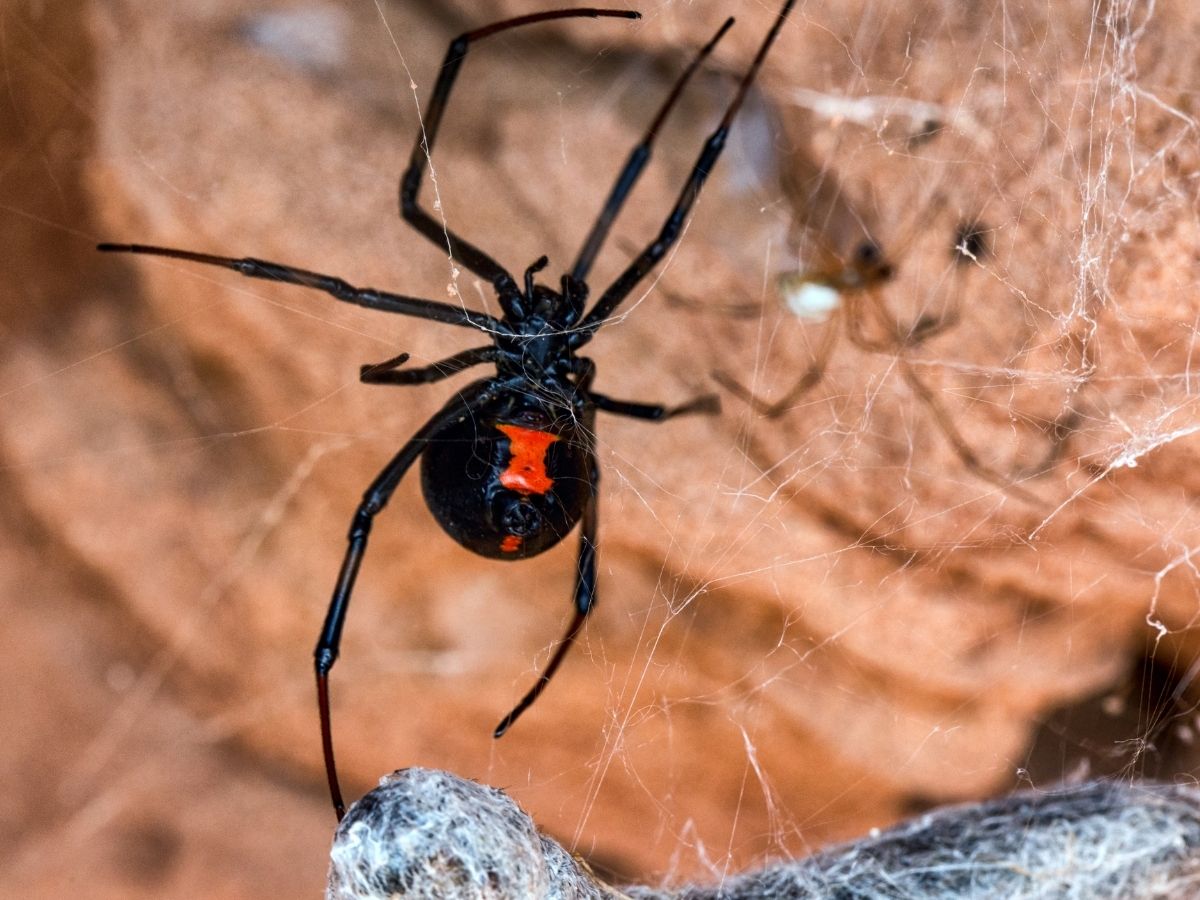
Don't Just Take Our Word For It: Spider Control Reviews


White Tail Spider Control: Are They Dangerous?
They are hunters rather than web builders, so they wander, and that is where the reputation for aggression comes from. They will bite, and it hurts.
They are not the monsters of the urban legends, but they are revolting. They run around at night and hide in clothes and bedding. Nobody wants to step on one in the dark, or find one in the washing basket while folding the clothes.
Because white tails do not stay in one web, a can of spray from the shop rarely reaches them. If a bite reaction concerns you, see a doctor.
Our spider treatment deals with white tails in three ways.
Clearing their food source: we treat the webbing spiders on the eaves and window frames, which are what white tails come inside to hunt.
Treating where they get in: the entry points, the roof and the subfloor are treated, so they stop wandering indoors.
Targeting where they hunt: the treatment goes into the cracks and gaps they move through, and it keeps working for months.
White Tail Spiders in Bedding and Laundry
White tails are most active at night, when they wander looking for other spiders to eat, and they are often seen in and around houses over summer and autumn. That is when they end up in bedding, in clothes and towels left on the floor, and in the washing basket.
A few habits help: keep clothes and towels off the floor, shake out anything that has been left lying around before you put it on, and give the washing from the line a shake before you fold it.
The Australian Museum's advice for white tails is to clear away the webs of the house spiders they feed on, which is the first step in our spider control for them. Treating the eaves and window frames leaves white tails with less reason to come inside.
We cover Cheltenham, Bentleigh, Bentleigh East, Moorabbin, Highett, Mentone, Mordialloc, Brighton, Sandringham, Hampton, Oakleigh, Clayton, Carnegie, Murrumbeena, Chadstone, Dingley Village, Keysborough, Springvale, Dandenong, Camberwell, Hawthorn, Balwyn, Box Hill, Toorak, South Yarra, St Kilda and the rest of our service areas.
Get a Quick Quote →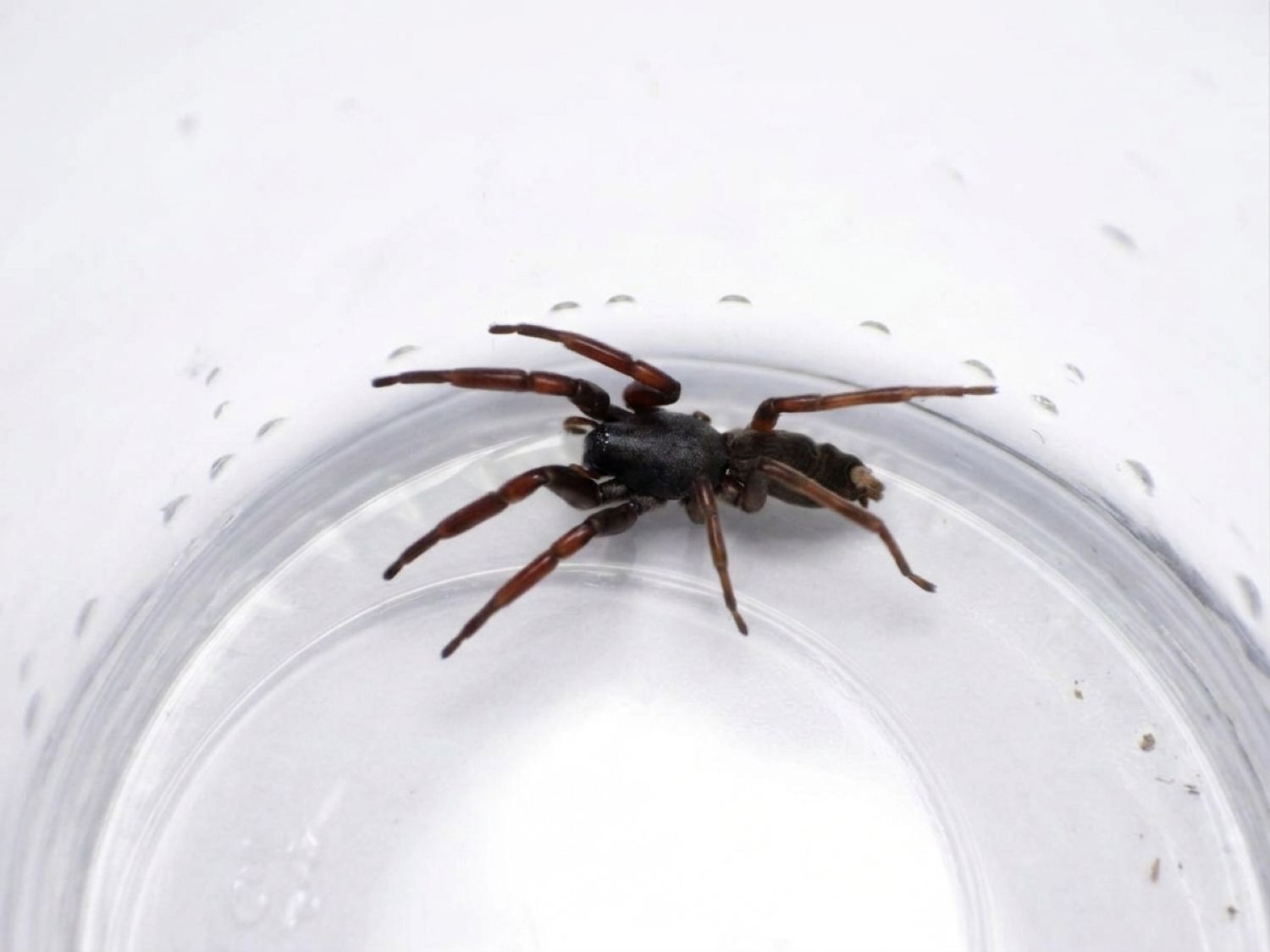
How Do I Book Spider Control in Melbourne?
Tell Us What Spiders You Are Seeing
Give us a call or fill in the quote form, tell us what you are seeing and where, and send a photo if you have one.
We Inspect And Spray For Spiders
We treat the eaves, window frames, fence lines and the inside areas that need it, and knock down the webbing we can reach.
We Follow Up If Webbing Returns
Webbing takes a few weeks to stop reappearing while the residual does its work. Spiders may need more than one treatment depending on the property.
Which Spiders Do We Treat in Melbourne?
These are the ones we get called out to most across Melbourne homes and businesses.
Spider Treatments For Melbourne Homes And Businesses
Spider management looks a little different for each one. Webbing spiders are treated where they build, white tails are dealt with partly by clearing out the spiders they hunt, and redbacks are treated wherever we find them.
Our spider treatments cover the house and the shed, and if you run a business, we treat spiders as part of our commercial pest control services as well.

Why Choose SOS Pest Control for Spider Control?

Experienced Spider Control Technicians
We have provided spider control services across Melbourne homes, sheds and businesses for more than 23 years.

Local Pest Control Since 2003
Ron and Candys have owned and run SOS Pest Control since 2003.

Licensed & Insured Spider Pest Control
We are licensed to provide pest control services, and we are insured on every treatment we carry out.

Safer Spider Treatments Around Pets And Kids
We choose where the product goes and tell you exactly how long to keep the area clear.

Honest Pest Control Advice
We explain which spiders a treatment will reach on your property and what pest management it needs, rather than what is easiest to sell.

Rated 5.0 on Google
We have more than 320 five star reviews from Melbourne homes and businesses.
Get a Quote For Spider Control Melbourne
Tell us what you are seeing and which suburb you are in. We will come back with honest advice and a clear price. If you need pest control services for other pests as well, mention them in the form.
Spider Control FAQs
Do you treat huntsman spiders and redbacks too?
Both, yes. Redbacks always, without hesitation. They are a close relative of the black widow and one of the most dangerous spiders in Australia, a bite can need antivenom, and they build in exactly the spots people reach into.
Huntsmans we treat too. They do eat other pests, which is the one point in their favour, but nobody wants one running across the ceiling at night and we are not going to tell you to live with it.
How dangerous is a redback spider bite?
Serious enough to take straight to a doctor. Redbacks are a close relative of the black widow and their bite causes severe pain, sweating and nausea, and can require antivenom. It is worse again in children and pets because of their size.
If someone has been bitten, seek medical attention rather than waiting to see how it goes. And if you have found one on the property, book a treatment, because they are rarely on their own.
Are white tail spiders dangerous?
They are hunting spiders rather than web builders, which is where the reputation for aggression comes from, and their bites are painful. They also hide in clothes and bedding. They are not the monsters of the urban legends, though. If a bite reaction worries you, see a doctor.
Why do I keep getting white tails inside?
Because they are hunting other spiders, mostly black house spiders, and your building is where those are. Clearing the webbing spiders off the eaves and window frames takes away the reason white tails came in.
How long does spider control take to work?
Activity usually drops within a few days. The webbing already built stays until it is knocked down or weathers off, so give it two to three weeks before judging it. The residual keeps working the whole time on anything that walks across it.
Is spider spray safe around pets and children?
It is, applied properly. We choose where the product goes, keep it off the surfaces pets and children actually use, and tell you how long each treated area needs to stay clear. Let us know before we arrive if you have pets, fish tanks or beehives.
How often do I need a spider treatment?
Spiders are a common reason people call us, and our general pest treatment kills them. Most Melbourne homes have one or two general treatments a year.
The first is usually timed heading into the warmer months, before webbing builds up over spring and summer. Properties backing onto reserves, creeks or bushland are the ones most likely to want the second.
What about wolf spiders and trapdoor spiders in the garden?
Those live in burrows in soil and lawn rather than on the building, so treating a wall is not what changes things for them. What helps is reducing the harbourage they favour, and we will show you what to look at while we are on site.
Can pest control get rid of spiders?
Yes. We treat the places spiders sit and rest: the eaves, the window and door frames, the weep holes, the fences, the sheds and the garage. Spiders pick the treatment up when they walk across it, and it keeps working for months. Spiders are part of our general pest treatment.
Why do I suddenly have so many spiders?
Usually it is the time of year. Webbing builds up over spring and summer, when spiders are most active. White tails often follow, because they come inside hunting the black house spiders on your eaves and windows.
When are spiders most active in Melbourne?
In the warmer months. That is why we time spider treatments heading into spring and summer, before the webbing builds up.
Can I get rid of spiders permanently?
Not with a single treatment, no. Spiders may need more than one treatment depending on the property. The treatment keeps working for months on any spider that walks across it, and most Melbourne homes have one or two general pest treatments a year to stay on top of spiders.
How much does spider pest control cost?
It depends on the size of your home: the number of rooms, the size of the block and whether there is a second storey. Our pest control pricing page has the starting prices for a general pest treatment, which is the treatment that kills spiders.
What are the most common spiders in Melbourne homes?
Black house spiders and daddy long legs are two of the spiders people find most often in and around Melbourne homes. Black house spiders build messy webs in window frames, eaves and brickwork, where they catch flies and other small pests, and daddy long legs hang in the corners of ceilings and garages. White tails often turn up too, because black house spiders are what they hunt.
What is the most dangerous spider in Melbourne?
The redback. White tails and huntsmans can give a painful bite, but a redback bite can need antivenom, and it is more serious again for children and pets. It is worth booking a spider treatment if you have seen one around the house or shed.
Do outdoor lights attract spiders?
They attract what spiders eat. Moths and other flying pests gather around lights at night, so webbing spiders tend to build on the eaves, window frames and walls near them.
Switching outdoor lights off when you are not using them means fewer insects gathering, and usually less webbing. It will not stop spiders on its own, but it is a simple part of pest management around the house.
Why am I still seeing spiders after pest control?
For the first few days that is normal. The treatment works when spiders walk across it, so you may still see some while activity drops, and spiders from the garden and the yards next door can still wander onto the house. If you are still seeing a lot of them after two or three weeks, give us a call.
Do lots of baby spiders mean an infestation?
Not on its own. It means an egg sac has hatched close by, so the spider that laid it is probably close by too. Redbacks can have up to 10 round egg sacs in one web, and black house spiders keep white egg sacs in theirs, so look for the web the babies came from. If you are finding egg sacs in the shed or around the eaves, it is worth booking a spider treatment.
How can I keep spiders out of my house?
Make it harder for them to get in. Health.vic recommends flyscreens on the windows, weather strips or draught excluders under the doors, and keeping trees and bushes planted away from the house. Our spider treatment then deals with the ones that still make it onto the house, around the eaves, the window frames and the entry points.
What spiders are found in Melbourne?
Melbourne has plenty of spiders. Here are 24 you may come across around homes and gardens, with how to spot each one, whether the bite is a worry and whether it is likely to come into contact with our treatment.
- Redback spider: black with a red stripe on the back and a red hourglass underneath, with messy webs in sheds, pots and under outdoor furniture. The female’s bite can need antivenom, so see a doctor. Often around the sheds, garages and meter boxes we treat.
- Black house spider: dark and velvety, with lacy, funnel-shaped webs in window frames, brickwork, fences and under the eaves. It is timid, but a bite can be painful and swell. It lives right where our treatment goes.
- White-tailed spider: long and dark grey with a dull white tip, hunting other spiders at night and hiding in beds and clothing by day. Bites range from nothing to redness, swelling or blisters. It can cross treated surfaces as it wanders.
- Daddy long-legs: a small, pale body on very long, thin legs, with tangled webs indoors, in sheds and under balconies. It is harmless to people and known to eat redbacks. In sheds and garages it sits where we treat.
- Huntsman: large, flat and grey-brown with forward-pointing legs, sheltering under bark and often coming into houses and cars at night. It is timid and rarely bites, and a bite gives a local reaction. It can cross treated walls, eaves and window frames.
- Social huntsman: very flat, red-brown and grey-brown, living in groups under bark, in woodpiles and sometimes inside houses. It rarely bites, but a bite can be painful because of its size. Groups in woodpiles and trees sit away from the house.
- Badge huntsman: fawn to orange-brown with a black badge-shaped mark underneath, hunting on trees and foliage at night. No serious symptoms have been recorded from its own bite, but bites from close relatives can cause severe pain, swelling, sweating and nausea. It comes inside less than other huntsmans.
- Brown house spider: small, round and dark, often with a white crescent on top, with tangled webs in sheds, under pot plants and indoors. A bite can cause headache, nausea or muscle pain, and small blisters. Often in treated sheds and garages.
- Garden orb-weaving spider: light brown and triangular with two humps, spinning a big round web at dusk and taking it down by dawn. A rare bite is local, possibly with nausea and dizziness. Webs on the eaves or pergolas are within reach.
- St Andrew’s Cross spider: striped yellow and brown, resting with its legs in an X shape in webs among shrubs or against buildings. Its bite is considered harmless. Webs against the house are closer to the areas we treat.
- Banded garden spider: silver-white with yellow and dark bands, building a big round web low down in grassy, open areas. It is harmless, though a bite may cause a local reaction. Out in the grass it is mostly out of the treatment’s way.
- Spiny spider: small and black with orange legs and six spines, living in colonies whose webs can cover whole bushes. It rarely bites, and a bite gives a local reaction. Its webs stay in the shrubs.
- Leaf-curling spider: red-brown with a cream pattern, hiding in a curled leaf in the middle of its web in garden plants. Bites are rare but may cause local pain and swelling. It is seldom near treated surfaces.
- Golden orb-weaver: long and silvery, with big golden webs that stay up instead of being rebuilt each night, often in suburban gardens. Bites are rare but painful, with redness and possibly nausea and dizziness. It builds out in the garden.
- Slater-eating spider: orange to red-brown at the front and pale behind, with long forward-pointing fangs, living under logs, rocks and compost and eating only slaters. A bite may cause headache, nausea or muscle pain. Treating a wall is not what changes things for it.
- Lynx spider: a long, pointed, striped body and spiny legs, hunting insects on plants. Little is known about its bite. It lives on plants, well away from the walls.
- Bird-dropping spider: mottled brown, black and cream, and it looks just like a bird dropping on a leaf. Its bite is not considered dangerous. It sits on foliage, out of the treatment’s way.
- Red and black spider: a red front and legs with a black body, living under bark, logs and stones, and males sometimes wander indoors in summer. Its venom is not dangerous. The ones that come inside can cross the door frames and skirting we treat.
- Net-casting spider: long, thin legs and two huge eyes, throwing a small web held in its front legs over passing prey at night. No bites have been recorded. It hunts in garden plants.
- Jumping spiders: small and often colourful, with big forward-facing eyes, jumping on their prey on walls, fences and bark. They are timid, and a rare bite gives a local reaction. Hunting on walls and fences puts them on surfaces we treat.
- Jupiter jumping spider: common in houses, with a black head with white hairs, a slim black and bronze body and orange banded legs. It is usually harmless but can bite. It can turn up on treated surfaces around the house.
- Crab spider: a triangular body with two points at the back and spiny legs, waiting on flowers and leaves to grab passing insects. Little is known about its bite. It keeps to the garden plants.
- Melbourne trapdoor spider: large and brown with big fangs, often mistaken for a funnel-web, living in silk-lined burrows in soft soil. Its bite can be deep and painful but is not known to cause medical problems. Treating a wall is not what changes things for it.
- Wolf spiders: brown to grey with two large front eyes, hunting on the ground in gardens and lawns. A bite is local, but cats and possibly dogs might be at risk. They are mostly out of a wall treatment’s reach.
Not sure which one you have? Send us a photo and we will identify it for you.
Need A Spider Exterminator In Melbourne?
Tell us what spiders you are seeing and where, and we will explain the treatment we recommend and what to expect on the day. Our spider control services cover Melbourne homes and businesses, and if other pests are bothering you, tell us about those too.