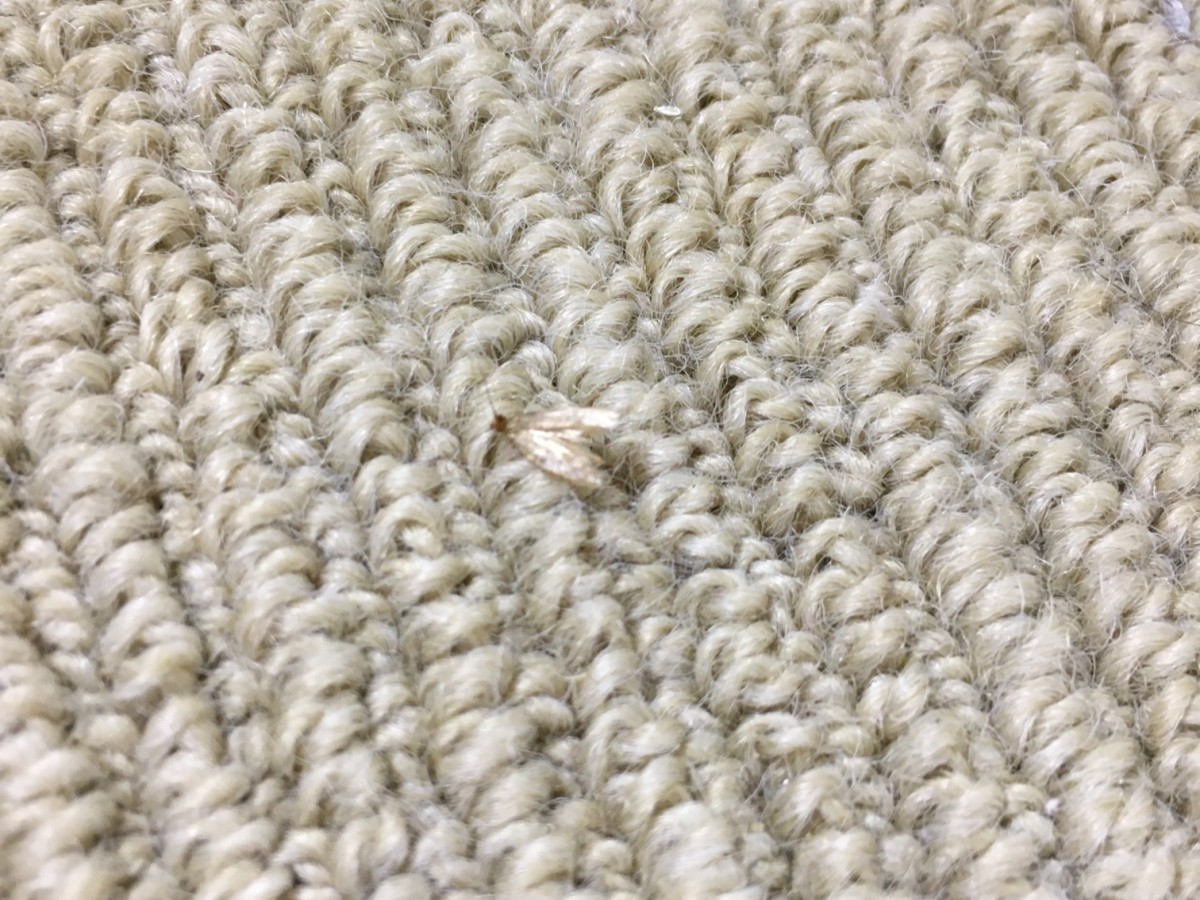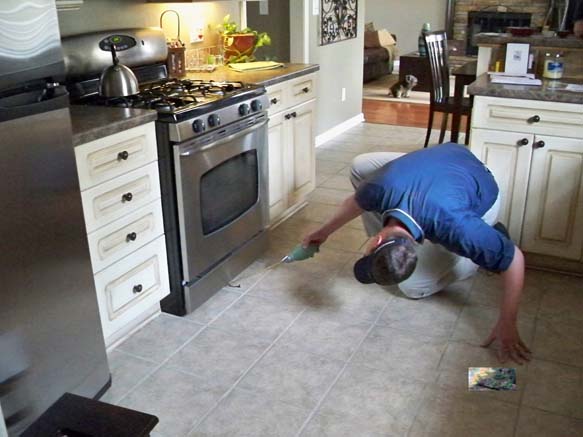
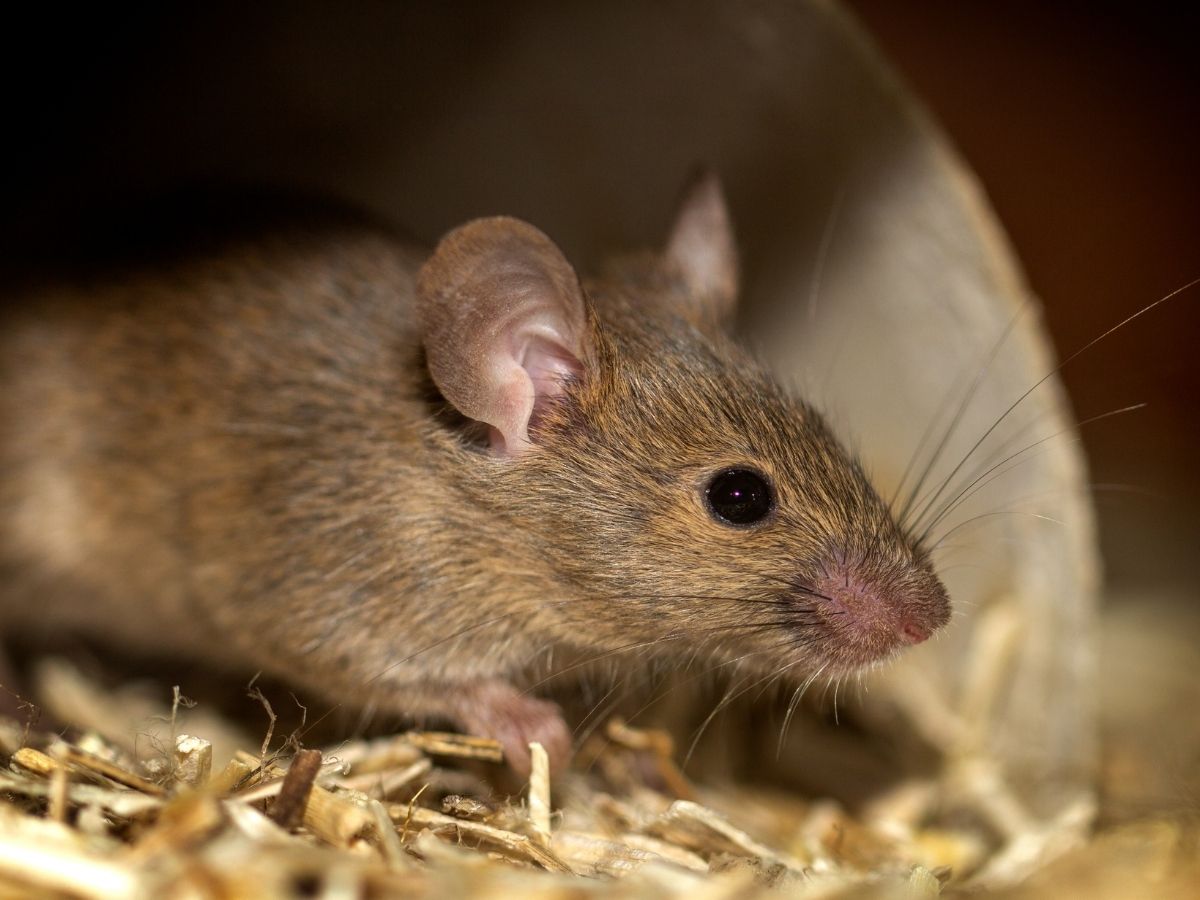
If you can hear scratching under the kitchen floor at night, the rats are probably not in the kitchen. In an older home sitting up on stumps, with a timber floor and an open space underneath, that space is often where the rats are living.
The noise comes up through the floorboards. The rats stay below. Here is what is going on under there, the signs to look for, and how to get rid of them.
What Lives in the Space Under a House on Stumps?
Most often it is rats, and sometimes mice. The space under a raised timber floor is dark, dry and out of the weather, which is exactly what rodents look for. The City of Casey puts it simply: rats and mice love warmth, shelter, food and water.
Boroondara Council lists burrows under buildings as one of the signs of rodents on a property. It also says rats and mice travel along walls and follow the same routes to their food. Under a house, the bearers and joists (the timber beams that hold the floor up) can give them edges to follow in the same way.
Which rat you have changes where they get in. As our rodent control page explains, Norway rats come in at ground level while roof rats climb. The Victorian Department of Health describes Norway rats as good diggers that are usually active at night, so the soil under a raised floor can suit them.
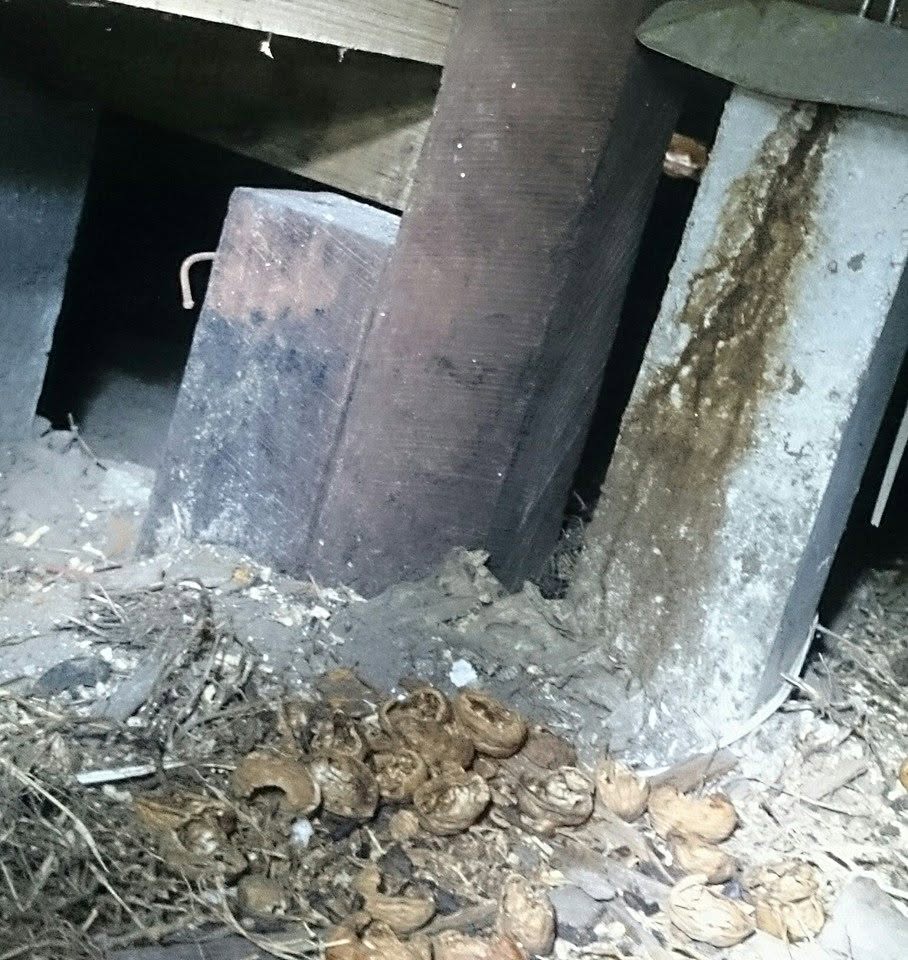
Signs of Rats Under the House You Notice Upstairs
Most people find out about rats under the house from inside it. These are the signs worth paying attention to:
- Scratching under the floor: Boroondara Council lists scratching, squeaking, clawing and gnawing noises as signs of rodents. Under a raised floor, you hear them through the boards, usually at night.
- Droppings along the skirting boards: The Department of Health describes Norway rat droppings as banana or sausage shaped. Finding them along a skirting board or under the sink can mean the rats are getting up from below.
- Pets staring at the floor: The City of Casey lists pets that are more excitable than usual as a sign of rodents. A dog sniffing at one patch of floor, or a cat watching a floor vent, is worth noticing.
- Pet food going missing: Casey also lists pet food that has gone missing. If the bowl is emptier in the morning than it should be, something may be coming up at night.
- Holes at the base of the walls: The Department of Health says holes made by rats are around 80 mm across and may be the entrance to nests. Check the base of the outside walls and around pipes where they go through the floor.
Not every noise under a floor is a rat. Possums and birds can get under a house as well, and droppings are the quickest way to tell what you have. If you are not sure whether it is a rat or a mouse, our post on five signs that tell rats and mice apart will help, or send us a photo of the droppings when you call.
Why Winter Sends Rats Under the House
Rats look for warmer shelter once the weather cools, as our rodent control page explains, and our mice control page covers how mice move indoors as Melbourne cools off. Under the house is often the first warm, dry place they reach.
It is out of the wind and the rain. It sits right under the rooms where people cook, eat and keep warm. And at night it is quiet. For a rat, that is a good place to spend winter.
If your home also has ducted heating running under the floor, that adds another warm run for rodents to use. Our post on ducted heating and winter rodents covers what to look for around the vents.
Why Fixing the Kitchen Does Not Reach Rats Under the Floor
A lot of people start in the kitchen. They set a trap under the sink, fill the gap behind the dishwasher and clear out the pantry. All of that is worth doing, but it does not reach rats living under the floor.
The gaps they use are below the floor line. Pipes and cables pass from under the house up through the floor, and the gaps around them are a way in. Boroondara Council’s advice is to seal gaps and holes around pipework, and mice need even less room than rats. The Department of Health says mice can squeeze into gaps as small as 8 mm.
So if the rats are sheltering under the house, that is where the treatment needs to go.
Sealing too early can backfire, though. As our rodent control page explains, baits go down first to bring the numbers down and the proofing follows, because sealing a building while rodents are still inside shuts them in.
What You Can Check for Rats Under the House From Outside
You do not need to crawl under the house to look for rats. Most of what matters can be seen from the garden. Walk around the outside and look for these:
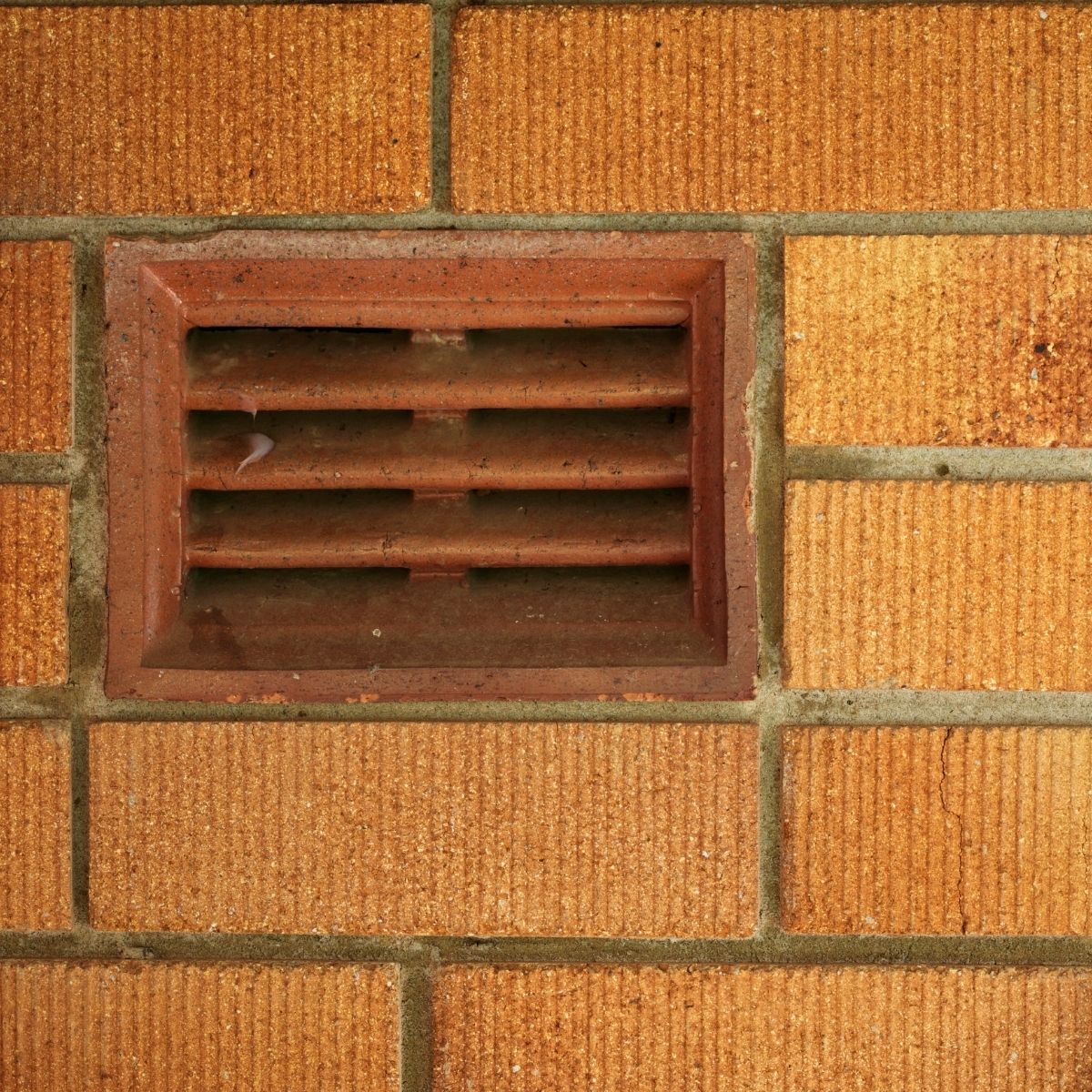
- Subfloor vents: These are the vents along the base of the walls that let air move under the floor. Look for vent covers that are broken, pushed in or missing.
- Gaps at the base of the walls: Look for holes, loose or rotted boards and gaps where the wall meets the ground.
- Pipes and cables: Check where they go into the house, especially anywhere a tradesperson has run something new.
- Burrows and runs: The City of Casey lists burrow holes around buildings and runs along fence lines as signs of rodents.
- Food and shelter in the yard: The Department of Health suggests removing clutter, excess foliage, food scraps and nesting sites. Woodpiles against the house, fallen fruit and an open compost all give rats a reason to stay close.
Keep the subfloor vents open; the last question below explains why.
Our older post on how to ratproof your home has more tips for the house and the yard.
Getting Rid of Rats Under the House
When you call, tell us what you are hearing and where, and anything you have found, like droppings or gnaw marks. It helps us plan the visit.
Under a raised floor, the treatment goes where the rats are living, and the subfloor is part of our rodent service. We use a variety of professional baits and follow the latest rules and guidelines. Every bait sits in a locked box, so pets and wildlife are kept safe.
Rodents may need several treatments to clear properly.
We close up the gaps we can reach on the day. If the house needs bigger work, such as structural repairs, we will recommend a tradesperson who can fix the building problems. You can see what a rodent treatment costs on our pest control prices page.
Rats Under the House: Your Questions Answered
Can Rats Get Into the House From Under the Floor?
Yes, they can. Pipes and cables come up through the floor from underneath, and the gaps around them are an easy way in. Old floorboards and gaps around a floor vent can be used too. Mice need very little room, because the Victorian Department of Health says they can squeeze through gaps as small as 8 mm. If you are finding droppings inside, they are likely coming up from below.
Do I Need to Go Under the House to Check for Rats?
No. You can learn a lot by walking around the outside of the house. Look at the subfloor vents, the base of the walls, the places where pipes and cables go in, and the ground along the fence line for burrows and runs. Inside, look for droppings along the skirting boards and listen for scratching at night. When you book a rodent treatment with us, the subfloor is part of the service.
Will Rats Under the House Leave on Their Own?
It is unlikely. As our rodent control page says, rats will not sort themselves out on their own, and the longer they are left, the more they breed and the harder they are to clear. The Victorian Department of Health says a female Norway rat can have five or six litters a year, and her young can breed at three to four months. Waiting for a quiet patch can mean more rats, not fewer.
Should I Block the Subfloor Vents to Keep Rats Out?
No. The vents let air move through the space under the floor, and the Australian Building Codes Board explains that a damp subfloor encourages timber rot and fungus. Keep the vents open. If a vent cover is broken, pushed in or missing, have it replaced so it does its job and gives rodents one less way under the house.
Book Rodent Control for Rats Under Your House
If you are hearing scratching under the floor, it is worth booking now, because rats breed quickly and the numbers are easier to bring down early. Tell us what you are hearing and which suburb you are in, and we will talk you through the rodent treatment for your home.
Call us on 1300 737 821 or book your rodent treatment online.