Brushing the same lacy webs off your window frames every few weeks? Those are often black house spiders. And if you are also finding white tails on the floor at night, the two are connected.
Clearing the webs is good advice. It just is not the whole answer. Here is why the webs keep coming back, why white tails follow them inside, and what actually helps.
How to Recognise a Black House Spider and Its Lacy Webs
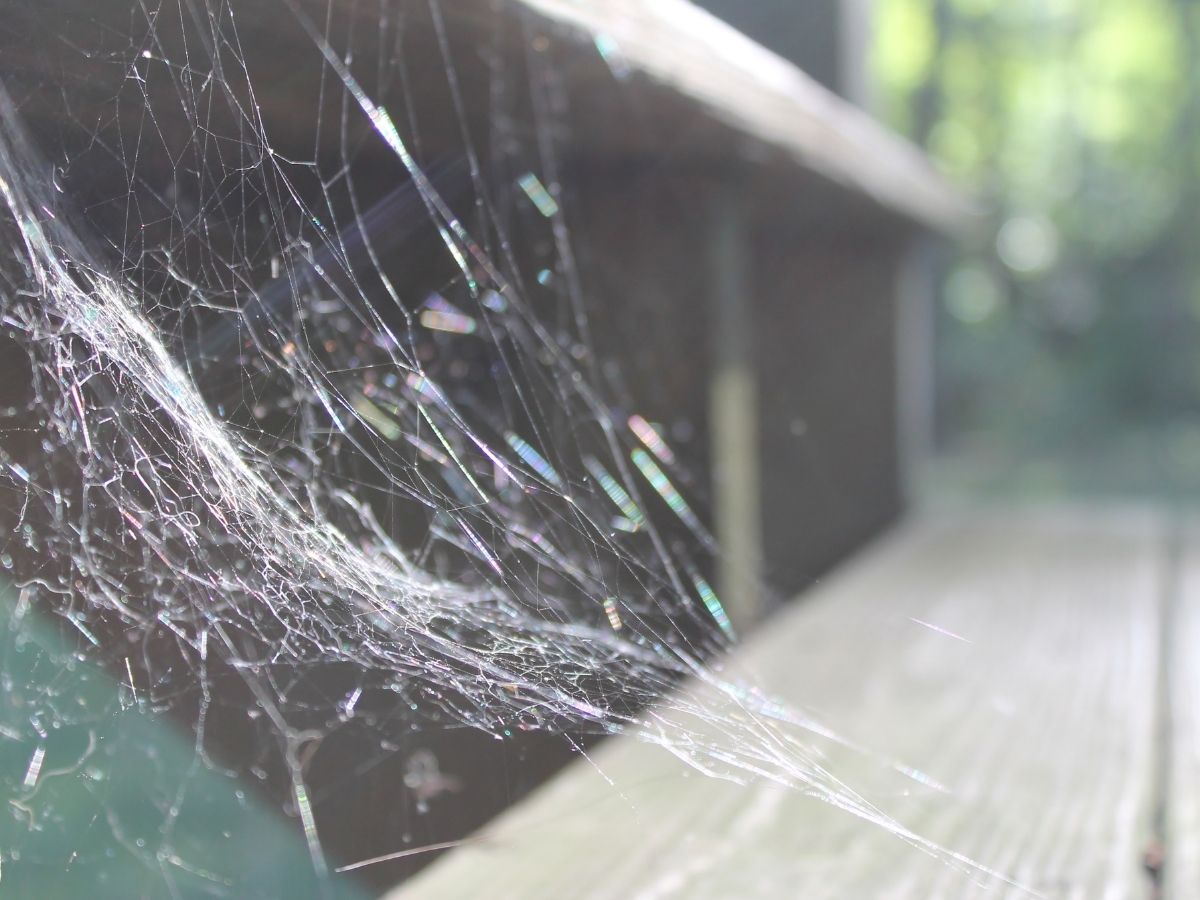
You can usually recognise a black house spider by its web before you ever see the spider. The Australian Museum describes the webs as lacy silk sheets that spread out around one or more funnel shaped entrances, leading back to the spider’s hiding spot.
New silk is fine and laid in a zig zag pattern. Older webs go matted and untidy, and the Museum says they can look grey and woolly because the spider keeps adding new layers.
Here is what to look for:
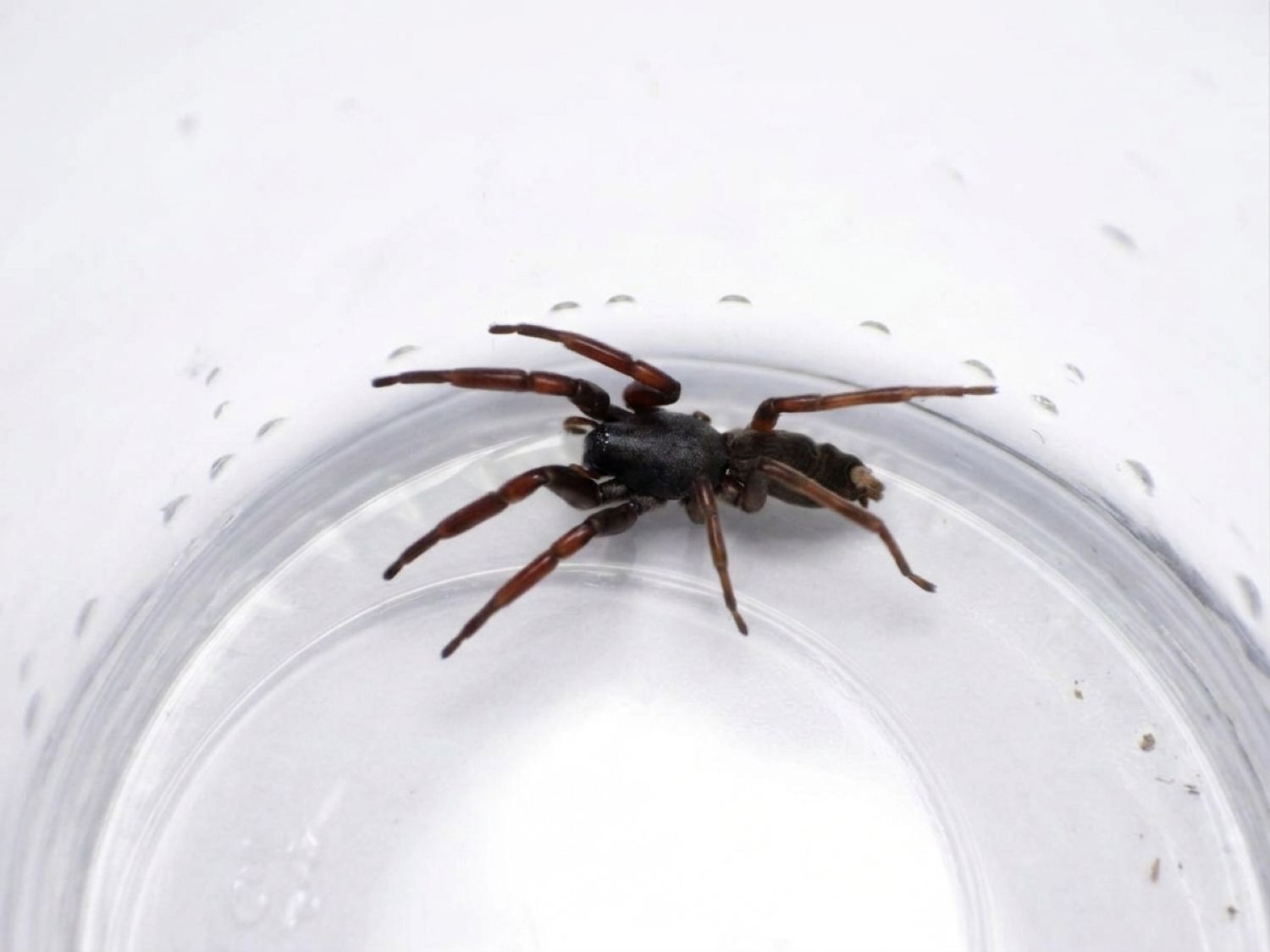
- The spider: A dark, solid spider with grey hairs on the front of its body, dark brown to black legs and a charcoal grey abdomen with white markings that are sometimes faint. Females are bigger than males.
- The web: A messy, lacy sheet with a funnel or hole in the middle that the spider disappears into when you get close.
- The spot: The Museum lists window frames and wall crevices on buildings, along with tree trunks, logs and rock walls.
- The egg sacs: White silk egg sacs tucked inside the retreat, which the female guards until they hatch.
On a Melbourne home, that usually means the corners of the window frames, gaps in the brickwork, under the eaves and along the fence. If you are not sure what you are looking at, send us a photo and we will identify it for you.
Why Brushing Black House Spider Webs Away Is Only Half the Job
Brushing the webs away removes the silk, but it does not always remove the spider. According to the Australian Museum, the black house spiders that make it to adulthood have usually found a secure retreat in a deep crevice.
So the broom takes the sheet of web, and the spider is often still tucked into the crack behind it. The Museum also notes that the female stays with her web unless she is forced out and keeps adding new layers. It adds that new silk is mostly laid at night.
That is why the web is back in the same corner before long. It is the same spider in the same crack, laying fresh silk.
Window frames are a favourite for a simple reason. The Museum says that around houses, black house spiders feed on insects such as moths and beetles that are drawn to the light of windows and lamps at night. The light brings the insects, and the insects feed the spider.
None of this means you should stop brushing. The Australian Museum recommends clearing away house spider webs as part of keeping white tails down, and it is still worth doing.
It is just the first half. Webs that keep coming back in the same spots tell you the spiders are still living there.
A Main Reason White Tails Come Inside: They Hunt Black House Spiders
White tails come into houses hunting, and black house spiders are their favoured prey. The Australian Museum says that over summer and autumn white tails are often seen in and around houses, where they find sheltered nooks and crannies and plenty of black house spiders to eat.
The Museum’s black house spider page lists the white tail as one of its enemies. Health.vic says the same thing from the other side: white tails often enter our houses, and they wander about hunting other spiders, including black house spiders.
To be fair to the black house spider, it is a main reason, not the only one. The Museum has also recorded white tails eating daddy long legs, redbacks and other spiders. But the black house spiders on your window frames are the prey the Museum names as their favourite, and they are right there on the house.
The Museum’s advice for white tails around the house is to catch and remove any you see, and to clear away the webs of the house spiders they feed on. So the webs tell you where the spiders are, and the spiders are what the white tails are after.
Our spider control page covers white tails in more detail, including what to do if you are worried about a bite.
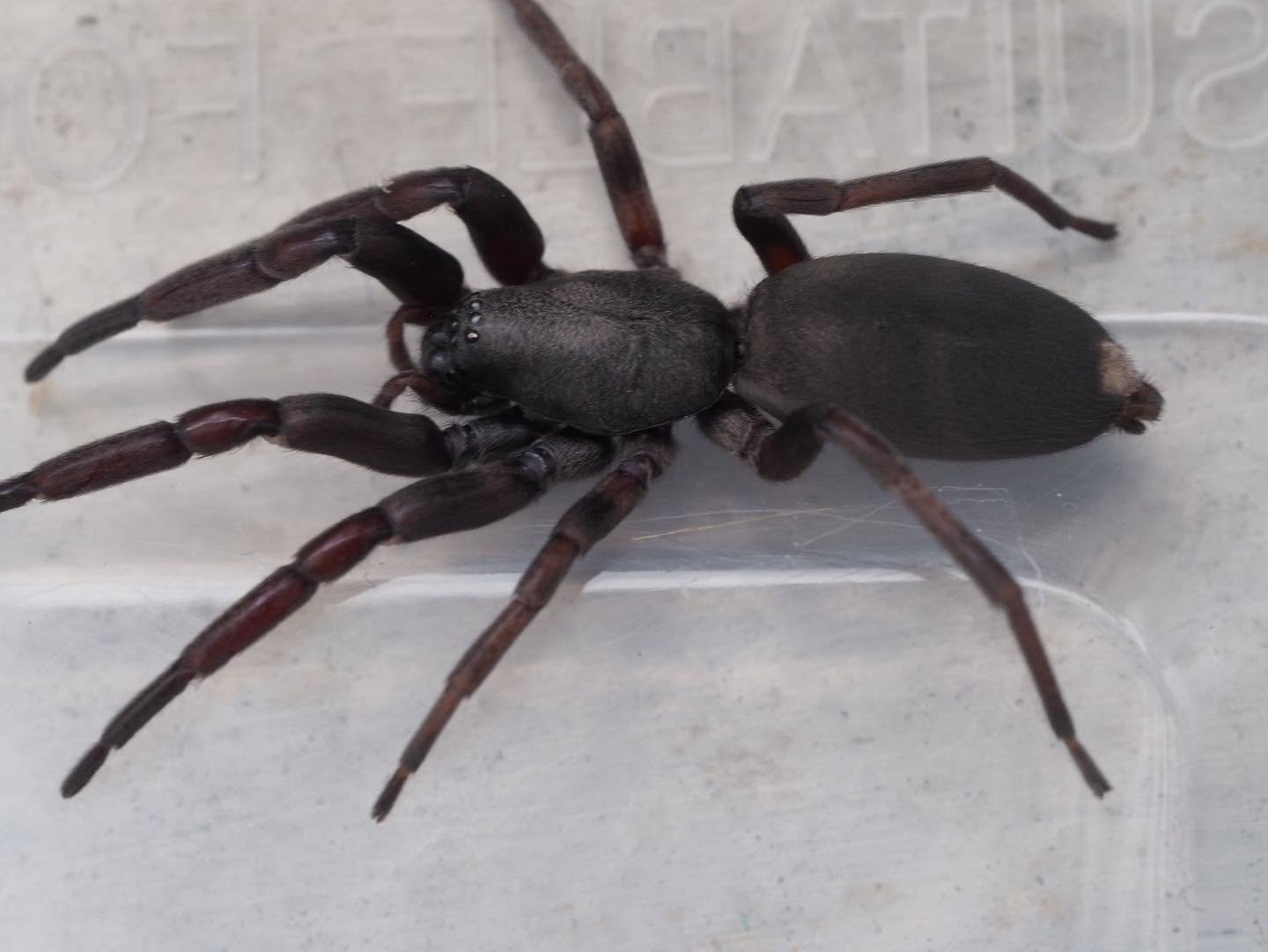
Why White Tail Spiders Turn Up at Night
You see white tail spiders at night because that is when they are out hunting. Both the Australian Museum and Health.vic say they are most active at night, when they wander about looking for other spiders to eat.
They do not build a web and wait. Health.vic notes they only make temporary silk retreats for moulting and laying eggs, so they keep moving. The Museum adds that tufts of special hairs on the ends of their legs let them walk easily on smooth or sloping surfaces, which is how they end up on walls, ceilings and the floor of the hallway.
Put it together and the window frame is a busy place after dark. Insects come to the light. Black house spiders lay new silk and catch them.
White tails go looking for the black house spiders. Some of them find their way inside.
Health.vic says the best spider control methods start with stopping spiders getting into the house. It suggests flyscreens on windows, and weather strips or draught excluders to block them under doors. They are worth doing on the doors and windows you use most.
Treating Black House Spiders as Well as the Webs
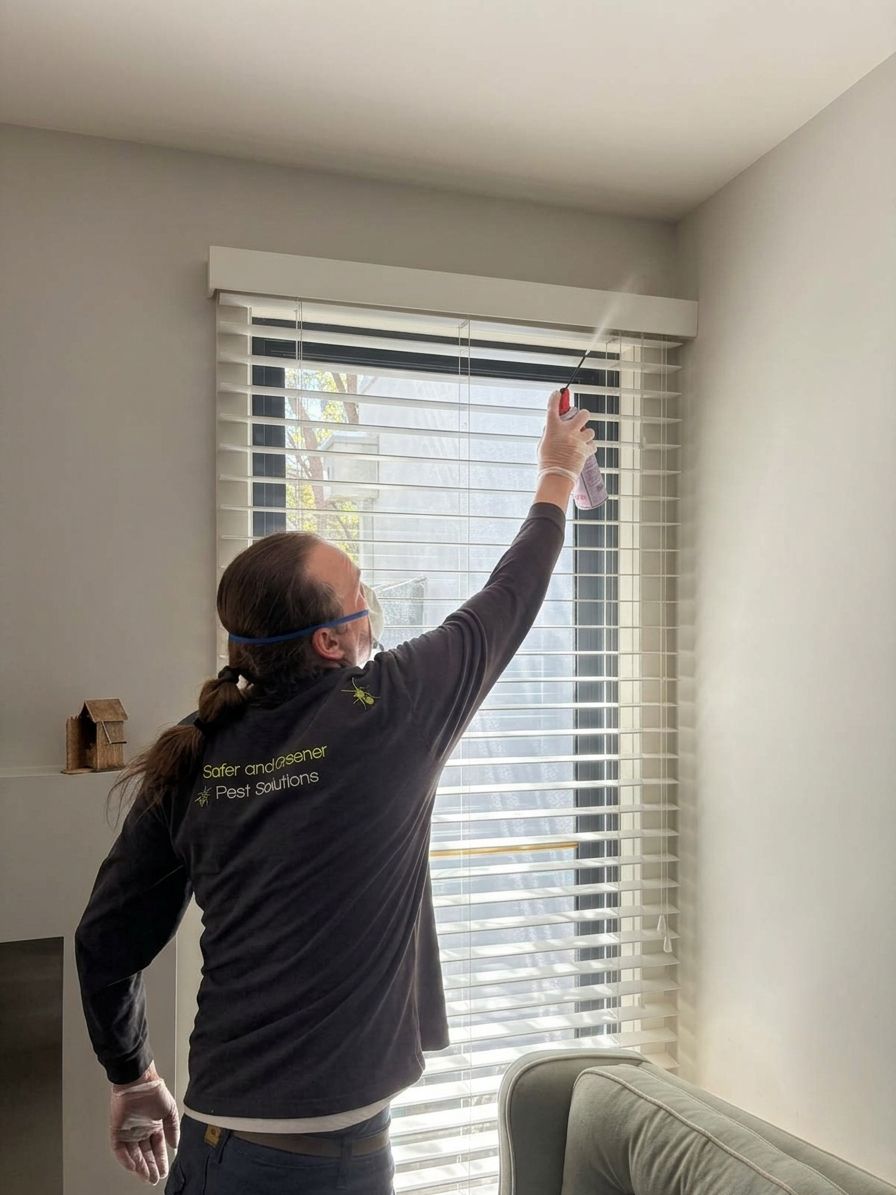
The step that changes things is treating the black house spiders where they live, not just clearing their webs. Our spider treatment is a surface treatment, applied where spiders sit and rest, and they pick it up on contact when they walk across it.
On the outside of the house, that means the places black house spiders build:
- Eaves and gutter lines: The sheltered spots where webbing builds up first.
- Window and door frames: Treated from the outside, where the lacy webs sit in the corners.
- Outside walls and weep holes: The gaps and crevices low down on the brickwork.
- Fences, pergolas and the alfresco area: Where spiders settle around the yard.
- The garden and washing line area: The places the family walks past every day.
Treat the spiders living on the outside of the house and the white tails have less reason to come in.
This is also why plenty of families with kids and pets book an outside only treatment. Nobody has to leave the house, and the creepy crawlies are stopped at the doorways and weep holes.
If you are weighing up outside only against inside and out, our guide to choosing between outside pest control and inside and out explains the difference. And if you want to see your home the way a crawling pest does, take a walk around the outside of your house first.
One thing to know for after your visit: the old webbing stays until it is knocked down or weathers off. Brush away what you can reach.
When to Book Spider Treatment, Once or Twice a Year
Most Melbourne homes have one or two general pest treatments a year, and spiders are covered by the general treatment. Heading into the warmer months is a good time to book the first one, when spiders are most active and webbing builds up quickly.
The timing lines up with the spiders themselves. The Australian Museum says black house spiders mature during summer and live for about two years, and white tails are most often seen around houses over summer and autumn.
If the lacy webs are back on the window frames later in the year, or the white tails are back in the hallway, give us a call and we will talk through whether your second general treatment is due.
You can see what a general treatment costs for your size of home on our pest control prices page. When you are ready, book your spider treatment with SOS Pest Control and tell us where the webs keep coming back.
Black House Spider Questions
Is a Black House Spider a Funnel-Web?
No. The funnel shaped entrance to the web is what confuses people. The Australian Museum says black house spiders are not related to Australian funnel-webs and are not similar in appearance, size or life history. Health.vic notes black house spiders are commonly mistaken for funnel-webs, and that Sydney funnel-webs are not found in Victoria.
What Are the White Sacs in the Black House Spider Web?
Those are egg sacs. The Australian Museum says the female makes several white silk egg sacs, secures them inside her retreat and stays with them until they hatch. The spiderlings then spread out. If you are seeing egg sacs on your window frames, more black house spiders are on the way.
Are Black House Spiders Dangerous?
The Australian Museum describes black house spiders as timid, and says bites from them are infrequent. Most people simply do not want them on the house, and that is fair enough. For anything to do with bites, our spider control page and your doctor are the places to start.
Will an Outside Only Treatment Reach Black House Spiders?
Yes, because that is where they live. Black house spiders build on the eaves, window frames, walls and fences, and those are the areas an outside treatment covers. Spiders already living inside, in ceiling corners or behind curtains, need the inside treated as well, so tell us what you are finding inside when you book.